Diastasis Recti: Symptoms, Diagnosis, and the Best Ways to Treat It
Pregnancy, weight gain, and even intense abdominal pressure can affect the way your core muscles work. One condition that is often misunderstood is diastasis recti. Although it is often associated with postpartum women, it can also occur in men and women who have never been pregnant.
Understanding what is diastasis recti, recognizing the warning signs, and knowing how to treat it can make a significant difference in recovery and overall core health.
What Is Diastasis Recti?
So, what is diastasis recti exactly? It is a condition where the two large abdominal muscles, called the rectus abdominis, separate along the midline of the stomach. This separation occurs at the connective tissue called the linea alba.
In simple terms, abdominal separation happens when the tissue holding the muscles together stretches and weakens. This creates a gap between the muscles, which may result in a visible bulge or weakened core stability.
While pregnancy is the most common cause, rapid weight gain, improper exercise techniques, or heavy lifting can also contribute to diastasis recti.
What Causes Abdominal Separation?
The primary cause of abdominal separation is prolonged pressure on the abdominal wall. During pregnancy, the growing uterus pushes outward, stretching the connective tissue. Hormonal changes also soften tissues, making separation more likely.
Other contributing factors include:
- Repeated heavy lifting
- Chronic coughing
- Obesity
- Improper abdominal exercises
- Genetics
Although common in postpartum women, men can also develop diastasis recti due to abdominal strain or significant weight fluctuations.
Diastasis Recti Symptoms
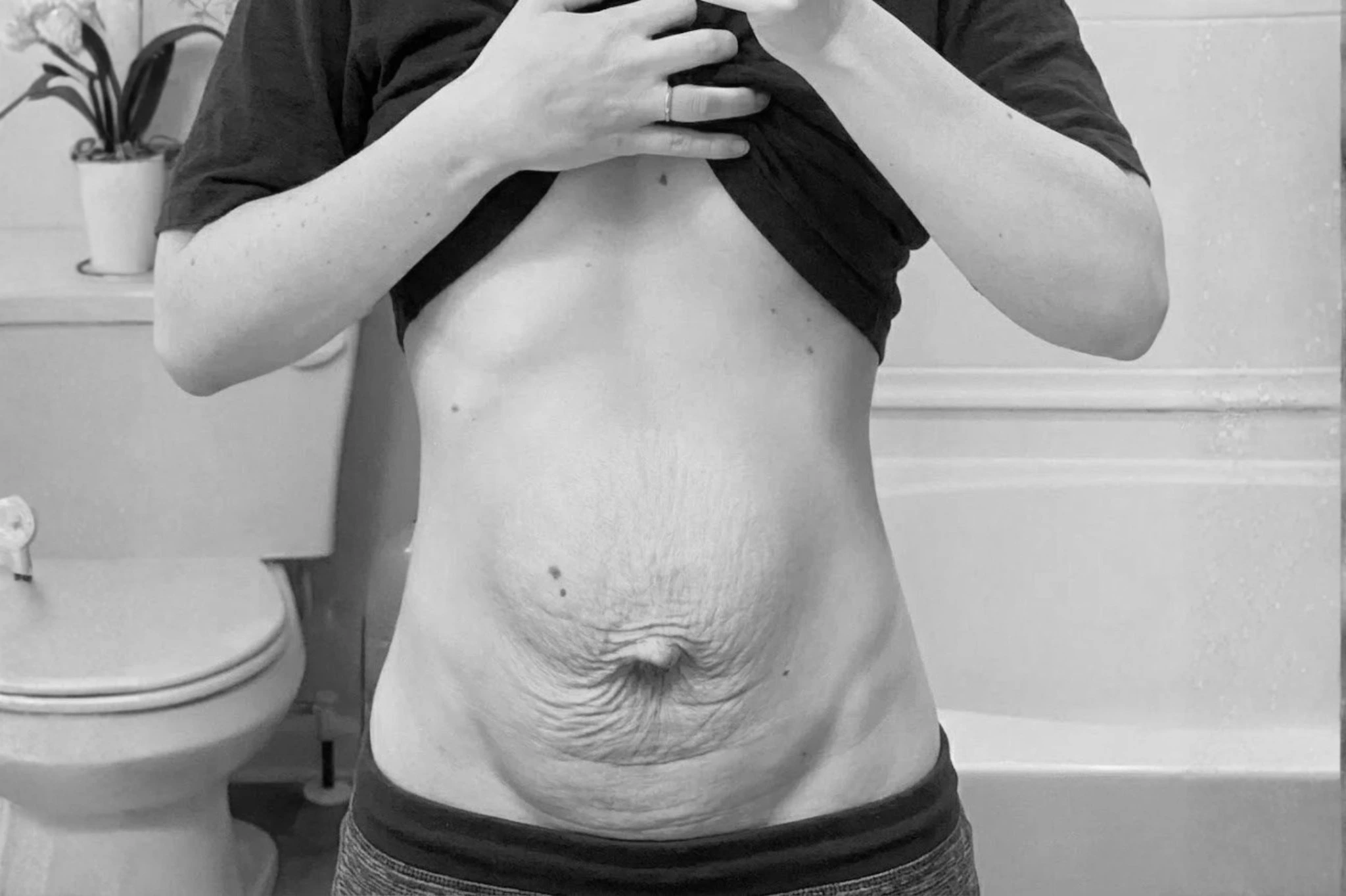
Recognizing diastasis recti symptoms is the first step toward treatment. The most noticeable sign is a bulge or ridge running down the center of the abdomen, especially when sitting up or engaging the core.
Other diastasis recti symptoms may include:
- A feeling of weakness in the core
- Lower back pain
- Poor posture
- Difficulty lifting objects
- Digestive discomfort
- A “pooch” that doesn’t go away after pregnancy
Many people mistake abdominal separation for excess fat or loose skin. However, the underlying issue is muscle separation rather than surface-level tissue.
How Is Diastasis Recti Diagnosed?
A healthcare provider or physical therapist can diagnose diastasis recti through a simple physical exam. Often, patients lie on their back and slightly lift their head while the provider checks for a gap between the abdominal muscles.
Imaging tests like ultrasound may be used in more complex cases to measure the width of the separation.
If you suspect diastasis recti symptoms, early evaluation can prevent further strain and guide proper treatment.
How to Fix Diastasis Recti?
Many people have wondered how to repair diastasis recti without surgery. The good news is that mild to moderate cases can often be improved with exercises and physical therapy
Core Rehabilitation Exercises
Certain exercises target strengthening the deep abdominal muscles, especially the transverse abdominis. These exercises can help close the gap between the muscles.
Examples include:
- Pelvic tilts
- Modified planks
- Deep breathing exercises
- Heel slides
Avoid traditional crunches or sit-ups in the early stages, as they may worsen abdominal separation.
Learning how to fix diastasis recti properly often requires guidance from a trained physical therapist who specializes in core rehabilitation.
How to Fix Diastasis Recti Years Later?
A common concern is whether it’s possible to improve the condition long after childbirth. Many individuals search for answers about how to fix diastasis recti years later.
The encouraging news is that healing is still possible, even years after initial separation. While connective tissue may not fully return to its original state, strengthening the surrounding muscles can significantly reduce the gap and improve core function.
If you’re wondering how to fix diastasis recti years later, the approach is similar to early treatment, focused core strengthening, posture correction, and gradual progression of exercises.
Consistency plays a key role in long-term improvement.
When Is Diastasis Recti Surgery Needed?
In severe cases, conservative methods may not provide sufficient results. This is when diastasis recti surgery becomes an option.
Surgical repair typically involves stitching the separated muscles back together and tightening the connective tissue. Sometimes it is combined with a tummy tuck procedure.
Diastasis recti surgery is generally considered when:
- The separation is wide and causes functional impairment
- Persistent pain interferes with daily life
- Hernias are present
- Non-surgical methods have failed
While effective, surgery involves recovery time and potential risks, so it’s usually recommended only after exploring non-invasive treatments.
Long-Term Effects of Untreated Diastasis Recti
If left unaddressed, diastasis recti can lead to chronic back pain, poor posture, and reduced core stability. Weak core muscles may also increase the risk of hernias.
Addressing diastasis recti symptoms early improves strength, stability, and overall quality of life.
Lifestyle Tips for Managing Abdominal Separation
In addition to exercise, lifestyle changes can support recovery:
- Maintain proper posture
- Avoid heavy lifting without core support
- Engage core muscles during daily movements
- Wear supportive garments if recommended
Understanding what is diastasis recti empowers individuals to make informed choices about their core health.
Frequently Asked Questions (FAQs)
What is diastasis recti and who gets it?
What is diastasis recti? It is the separation of abdominal muscles along the midline. It most commonly affects postpartum women but can also occur in men and individuals with significant abdominal strain.
What are the most common diastasis recti symptoms?
Common diastasis recti symptoms include a visible abdominal bulge, lower back pain, core weakness, and persistent abdominal protrusion.
How to fix diastasis recti without surgery?
Many cases improve with targeted core exercises and physical therapy. Learning how to fix diastasis recti properly involves strengthening deep abdominal muscles and avoiding strain.
How to repair diastasis recti years later?
If you are wondering how to repair diastasis recti years later, the answer is core rehabilitation. Even if it is many years after the diastasis recti occurred, it is possible to repair it with the right training.
When is diastasis recti surgery required?
Surgery for diastasis recti is required in severe cases where there is pain, loss of function, or associated hernias.
Trusted expert care tailored to you at Vivari Aesthetics
However, diastasis recti is a condition that is more prevalent than many people are aware of, and it is not always diagnosed or understood. By being aware of the symptoms of diastasis recti, knowing what diastasis recti is, and knowing how to fix diastasis recti, you can empower yourself to heal your core muscles safely.
Whether you are looking for non-surgical options or are looking into diastasis recti surgery, it is important that you are aware of the condition early on. Even if you are looking into how to fix diastasis recti years after it has occurred, it is never too late to heal your core muscles.
Schedule your consultation with Vivari Aesthetics today and take the first step toward expert, personalized care