How to Get Rid of Jowls: Causes, Treatments, and The Most Effective Solutions
A well-defined jawline is often associated with youth and facial balance. However, many people begin to notice sagging skin along the lower cheeks and jawline as they age. These folds of skin, commonly called jowls, can gradually soften the jawline and create a tired or heavier facial appearance.
For patients exploring how to get rid of jowls on face, understanding why they form and which treatments truly work is essential before choosing a solution.
At Vivari Aesthetics, facial rejuvenation procedures are carefully tailored to each patient’s anatomy and aging pattern. Experienced facial specialists often help patients evaluate both non-surgical and surgical options, ranging from skin-tightening treatments to advanced procedures such as the deep plane facelift, widely considered one of the most effective methods for correcting significant sagging.
This guide explains what are jowls, why they develop, and the safest ways to restore a more defined jawline.
What are jowls?
Before discussing how to get rid of sagging jowls, it is helpful to understand how they form.
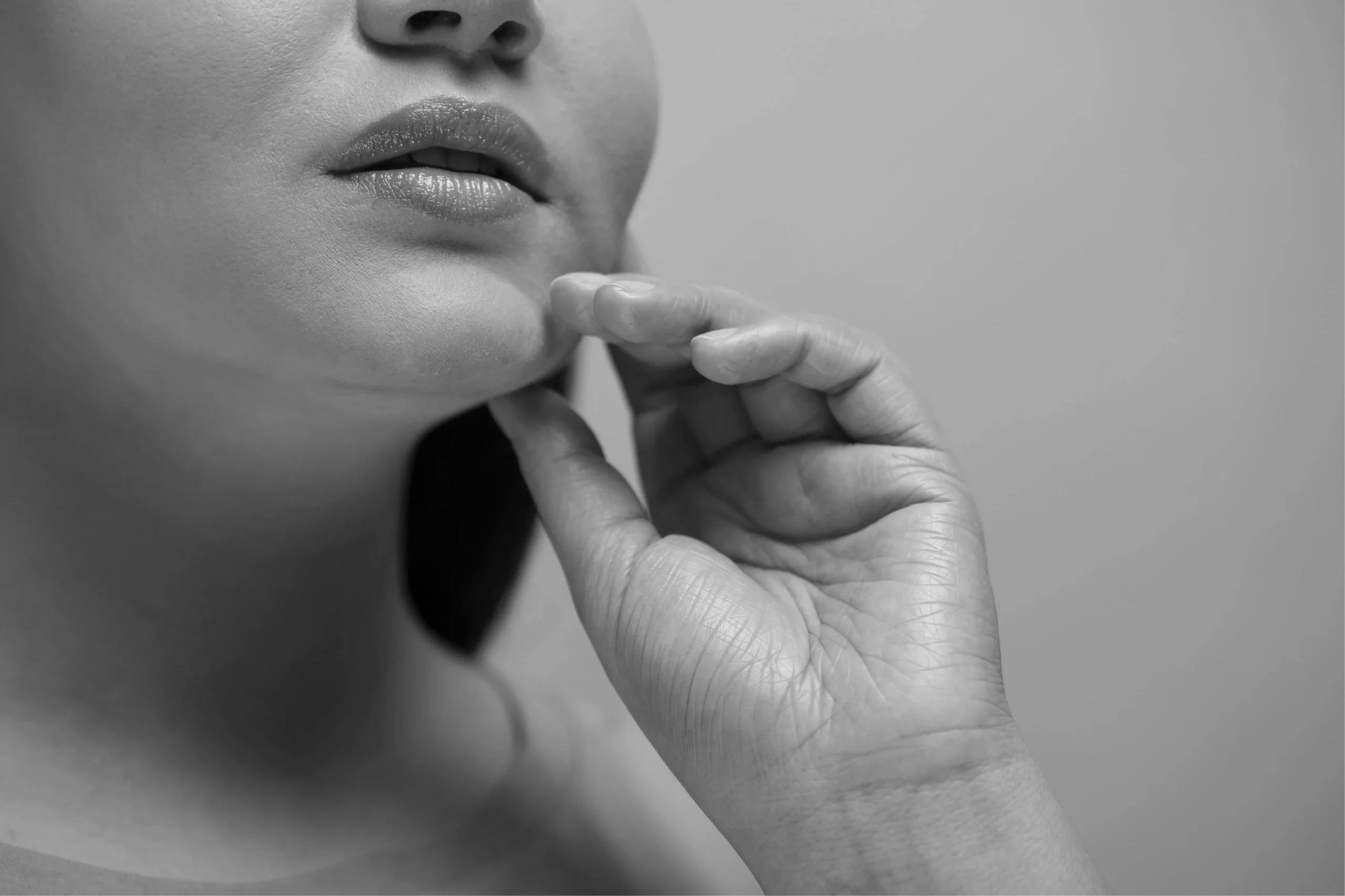
Jowls refer to the loose or sagging skin that develops along the lower cheeks and jawline. Instead of a smooth contour from cheek to chin, the jawline begins to droop, creating fullness around the jaw and upper neck.
Several natural aging processes contribute to the formation of jowls face changes:
Loss of collagen and elastin
Collagen and elastin are structural proteins that keep skin firm and elastic. Collagen production declines by about 1% per year after age 20, gradually weakening the skin’s support system.
Fat redistribution in the face
Facial fat pads shift downward with age. When this occurs in the mid-face, it contributes to sagging along the jawline.
Weakening of facial ligaments
Ligaments that support facial tissues loosen over time, allowing skin and fat to descend.
Bone structure changes
As the facial structures age, it leads to gradual volume loss in the jawbone and cheekbones, which may reduce the support that keeps the skin looking firm.
Lifestyle factors
Certain habits can accelerate jowl formation:
- Sun exposure
- Smoking
- Rapid weight loss
- Poor skincare habits
- Genetic predisposition
Together, these factors create the sagging appearance that many patients describe when asking how to get rid of jowls on the face.

Recognizing the early signs of sagging jowls
Jowls typically develop gradually. Early detection allows patients to explore various treatment options available.
Common signs include:
- Mild sagging along the jawline
- Loss of jawline definition
- Skin folding near the corners of the mouth
- Increased fullness near the lower cheeks
- A heavier lower face appearance
As sagging progresses, patients may begin researching how to fix saggy jawline concerns through aesthetic treatments.
Diagnosis and consultation
A professional consultation is the first step in determining the best treatment approach.
During an evaluation, aesthetic specialists typically assess:
- Skin elasticity
- Facial fat distribution
- Bone structure and jawline definition
- Degree of skin laxity
- Overall facial harmony
This analysis helps determine whether non-surgical treatments can provide improvement or whether surgical lifting procedures offer more effective results.
How to get rid of jowls with non-surgical treatments?
For early jowl formation, several minimally invasive treatments may help tighten skin and improve facial contour.
Common options include:
Dermal fillers: Strategically placed fillers restore volume in the cheeks and jawline, helping lift sagging tissues.
Energy-based skin tightening: Technologies such as radiofrequency or ultrasound stimulate collagen production and improve skin firmness.
Botulinum toxin injections: These may help reduce the downward pull from certain facial muscles.
Thread lifts: Temporary lifting threads reposition tissues and stimulate collagen.
While these treatments can improve mild jowls and facial changes, their effects are typically temporary and best suited for early aging.
For patients with significant skin laxity, surgical correction often provides the most reliable results.
Deep plane facelift: One of the most effective treatments for jowls
When discussing how to get rid of sagging jowls, the deep plane facelift has gained recognition as one of the most advanced and effective techniques.
Unlike traditional facelifts that primarily tighten the skin, this procedure works at a deeper anatomical level.
How does the deep plane facelift work?
The deep plane technique lifts the SMAS layer, a structural layer of muscle and connective tissue beneath the skin. By repositioning this deeper support system, the procedure:
- Lifts sagging cheeks
- Restores jawline definition
- Reduces jowls
- Improves neck contour
- Creates natural-looking rejuvenation
Because the deeper tissues are repositioned rather than simply tightened, results appear smoother and more natural.
Key benefits of deep plane facelift for jowls
Patients seeking a long-term solution for how to get rid of jowls often choose this procedure because it offers several advantages:
- Comprehensive facial lifting rather than surface tightening
- Natural facial movement after recovery
- Natural facial movement after recovery
- Long-lasting results, often 10-15 years
- Reduced tension on the skin, lowering the risk of an artificial appearance
This technique can effectively address both jowl face sagging and mid-face descent in a single procedure.
What to expect during the procedure?
The deep plane facelift is performed under anesthesia and typically involves:
- Carefully placed incisions around the ears
- Accessing the deep facial tissue layers
- Releasing and repositioning facial ligaments
- Lifting deeper tissues upward
- Removing excess skin
- Refining the jawline and neck contour
The procedure usually takes 3-4 hours, depending on the extent of correction required.
Recovery and healing timeline

Recovery varies from patient to patient, but most people experience the following timeline:
- First week: swelling and mild bruising
- 7-10 days: stitches typically removed
- 2-3 weeks: swelling improves significantly
- 4-6 weeks: most normal activities resume
- 3 months: final results become more visible
Practical guidance for patients considering jowl treatment
If you are exploring how to fix saggy jawline, a few key considerations can help guide your decision:
- Choose a board-certified facial plastic surgeon with facelift expertise
- Understand the difference between temporary treatments and structural lifting procedures
- Maintain realistic expectations about recovery time
- Protect skin health with sun protection and medical-grade skincare
Early intervention can also slow the progression of sagging and maintain facial balance.
Frequently Asked Questions (FAQs)
Jowls refer to sagging skin and soft tissue that develops along the lower cheeks and jawline due to aging, collagen loss, and downward movement of facial fat.
Can jowls be treated without surgery?
Yes, in some cases, results can often be enhanced with treatments such as fillers, radiofrequency skin tightening, or thread lifts, though the effects are usually temporary.
What is the most effective treatment for sagging jowls?
A deep plane facelift is often recommended for people with moderate to severe sagging. A deep plane facelift works well because it repositions deeper facial structures instead of focusing only on skin tightening.
At what age do jowls usually appear?
For many people, Jowls often begin appearing in the late 30s to early 50s, depending on genetics, lifestyle, and skin quality.
How long do facelift results last?
Deep Plane Facelift results can last 10-15 years, although natural aging continues over time.
Is recovery from a facelift painful?
During the first week, most patients experience mild discomfort, swelling, and tightness, but these symptoms improve as the healing process continues.
Can lifestyle habits affect jowl formation?
Yes. Habits like excessive sun exposure, smoking, poor nutrition, and rapid weight fluctuations can accelerate skin aging and contribute to jowl development.
Restoring a defined jawline requires the right treatment approach.
Jowls are a natural part of facial aging, but they can significantly affect jawline definition and facial harmony. Understanding what are jowls, why they develop, and the available treatment options is essential for choosing the most effective solution.
While non-surgical treatments can improve mild sagging, advanced techniques such as the deep plane facelift provide the most comprehensive and long-lasting results for patients seeking to truly get rid of jowls and restore youthful facial contours.
At Vivari Aesthetics, treatments are carefully customized to each patient’s facial anatomy and aesthetic goals.
If you are considering treatment for sagging jowls, scheduling a consultation can help you explore the safest and most effective options for restoring a defined, balanced jawline.