Dorsal Hump Nose: Causes and removal options
The nose is the central feature of the face, and its shape plays a significant role in facial harmony and balance. For many individuals, a dorsal hump nose can be a source of self-consciousness, often making the profile appear uneven or hooked. Whether it is a small protrusion or a more prominent bridge, a nose bump can affect how a person perceives their appearance from different angles. At Vivari Aesthetics, we understand that achieving a refined nasal contour is about more than just aesthetics; it is about restoring confidence. Fortunately, modern aesthetic medicine offers several effective solutions for dorsal hump removal, ranging from non-surgical enhancements to permanent surgical corrections.
What is a Dorsal Hump?
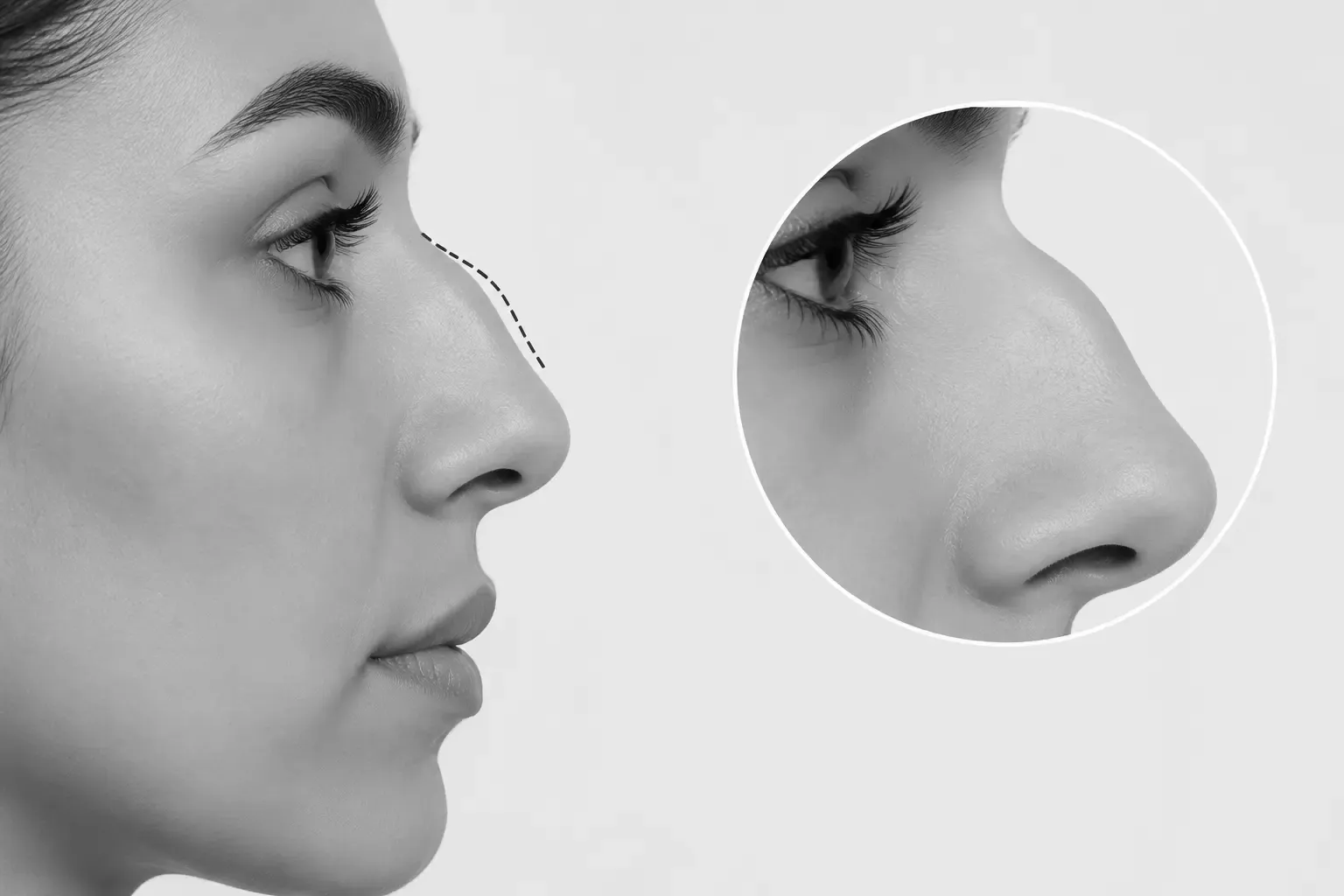
A dorsal hump refers to an irregularity or protrusion on the bridge of the nose. This area, known as the nasal dorsum, is composed of both bone and cartilage. The upper third of the nose bridge is made of bone, while the lower two-thirds consist of cartilage. A bumpy nose occurs when there is an excess of either bone or cartilage (or both) at the junction where these two structures meet. While many people refer to it simply as a bump on nose, the size and shape of the hump can vary significantly. Some humps are only visible from the side profile, while others may be wider and affect the appearance of the nose from the front. Regardless of the size, a nose bump can disrupt the straight line of the nasal bridge that many people desire for a more balanced look.

What causes a Dorsal Hump?
If you have noticed a bump in nose area, you may be wondering about the underlying factors. Understanding what causes a dorsal hump is the first step in determining the right correction method. There are three primary reasons why an individual might develop this characteristic:
- Genetics: Most of the time, a dorsal hump is something you inherit. Just like your eye color or height, the shape of your nose comes from your genes. These bumps often become more noticeable during puberty as your facial bones and cartilage finish growing.
- Trauma or injury: A broken nose or a hard hit to the face can lead to a bump. When the bone and cartilage heal, they might not grow back evenly, or extra tissue can form, leaving a lasting bump.
- Previous surgery: Although it is rare, a new bump can sometimes appear after nose surgery if healing does not go as expected or if the support structures shift.
How to get rid of Dorsal Hump without surgery?
Many patients are eager to learn how to get rid of dorsal hump but are hesitant to undergo an invasive operation. For those with minor to moderate irregularities, a liquid rhinoplasty or non-surgical nose job is an excellent option. This non-surgical approach uses hyaluronic acid dermal fillers to carefully fill in the areas around a nose bump, creating a much smoother and straighter nasal profile. Rather than removing the bump, the practitioner injects filler into the areas above and below the hump. By filling these depressions, the bridge appears straight and the nose bump is effectively camouflaged. The advantages of this method include:
- Immediate results with no downtime.
- A non-invasive approach that does not require general anaesthesia.
- The ability to test drive a new nose shape, as the results are temporary.
However, fillers cannot make the nose smaller, they only make it look straighter. To permanently reduce the size of the bridge, surgery is needed.
How to remove Dorsal Hump through surgery?
The most common and permanent way to address a bumpy nose is through a surgical procedure known as rhinoplasty. When patients ask how to remove dorsal hump permanently, an ENT specialist or plastic surgeon will usually recommend one of the following surgical approaches:
- Closed rhinoplasty: In a closed rhinoplasty, all incisions are made inside the nostrils. This means there is no visible external scarring. The surgeon works through these small openings to shave down the excess bone and trim the cartilage responsible for the dorsal hump nose. This method is ideal for patients who require moderate hump reduction without complex tip work.
- Open rhinoplasty: For more significant humps or cases requiring structural changes to the tip of the nose, an open rhinoplasty is often preferred. A tiny incision is made across the columella (the tissue between the nostrils), allowing the surgeon to lift the skin and gain a clear view of the nasal framework. This provides the highest level of precision for dorsal hump removal.
Recovery and results after Dorsal Hump removal
The recovery process depends entirely on the chosen method. For non-surgical filler treatments, patients can return to work immediately, with only minor swelling or bruising for a day or two. For surgical dorsal hump removal, the timeline is more involved:
- Week 1: A nasal splint is worn to protect the new shape. Swelling and bruising around the eyes are common.
- Week 2: The splint is removed, and most visible bruising subsides.
- Months 1 to 6: The majority of the swelling disappears, revealing the refined bridge.
- One year: The final shape is fully settled as the internal tissues completely heal.
Choosing Vivari Aesthetics for your journey
Deciding to address a nose bump is a personal journey that requires expert guidance. At Vivari Aesthetics, we believe in a bespoke approach. We take the time to analyse your facial proportions and discuss your aesthetic goals to ensure that the results look natural and harmonious. Whether you are looking for the temporary correction of a liquid rhinoplasty or the permanent transformation of a surgical procedure, our team is dedicated to providing world-class care in a supportive environment. If you are ready to smooth your profile and achieve the look you have always wanted, contact us today to schedule a consultation at our clinic.
Schedule your consultation with Vivari Aesthetics today.