What is FUPA ? And how to get rid of it?
Achieving a toned and flat midsection is a common fitness goal, yet many individuals struggle with a specific pocket of fat located just above the pubic bone. This area is colloquially known as FUPA (Fatty upper pubic area), and it can be one of the most stubborn regions of the body to target through traditional diet and exercise.
If you are frustrated by localized fat that persists despite your best efforts, learning how to get rid of FUPA is the first step toward reclaiming your body confidence and achieving a more contoured silhouette. At Vivari Aesthetics, we specialize in advanced body sculpting solutions designed to address these stubborn deposits when lifestyle changes alone are not enough.
What is a FUPA belly?
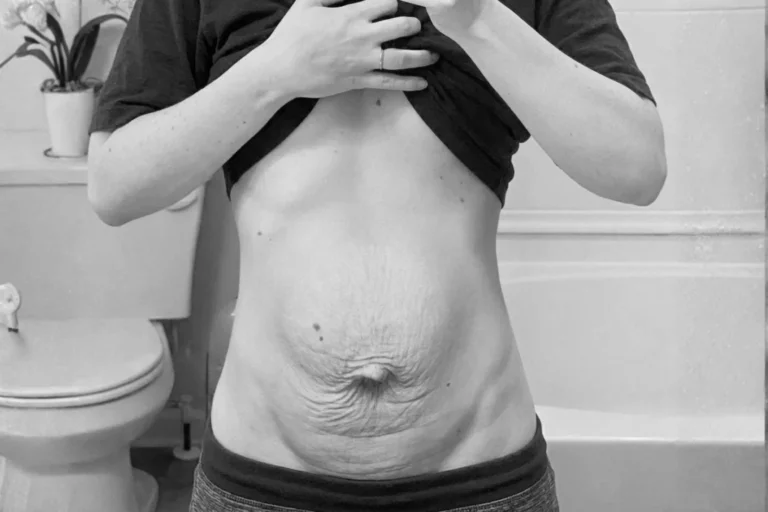
To effectively address this concern, it is important to understand what is a FUPA belly in clinical terms. Known medically as the “mons pubis,” this area is a pad of fatty tissue that sits over the pubic bone. While a certain amount of tissue in this region is natural and provides protection for the pelvic bone, an excess accumulation of fat can lead to a visible bulge.
This FUPA tummy can be particularly distressing because it often remains prominent even when a person is at their ideal weight. It can affect the fit of clothing, swimwear, and gym attire, leading many to seek professional interventions to smooth the area.

What causes a FUPA?
Understanding what causes a FUPA is essential for determining the most effective treatment path. Despite what many believe, overeating and lack of activity are not the only culprits behind this issue. Several physiological and lifestyle factors contribute to the accumulation of fat in the upper pubic region:
- Genetics: Your family history can influence where your body stores fat, making some people more likely to develop a bulge in the lower belly and pubic area.
- Pregnancy: Childbirth often stretches the abdominal muscles and skin, leading to a “pooch” or fat deposit that settles in the lower pelvic region.
- Rapid weight fluctuations: Losing a significant amount of weight quickly can leave behind loose skin and stubborn fat pockets in the lower torso.
- Hormonal changes: Fluctuations in estrogen or cortisol levels can influence where the body chooses to store fat.
- Aging: As we age, skin elasticity decreases, and muscle tone weakens, making the lower abdominal area appear more prominent.
- Previous surgeries: Procedures like C-sections can sometimes create a “shelf” effect where fat accumulates above the scar line.
What is the best way to get rid of a FUPA?
When it comes to fat reduction, many people immediately search for how to get rid of FUPA fast. However, it is important to manage expectations, as “spot reduction” (losing fat in only one specific area) through exercise alone is a biological myth. To see real changes, a comprehensive approach is required.
The best way to get rid of FUPA typically involves a combination of cardiovascular exercise to reduce overall body fat percentage and targeted strength training to firm the underlying muscles. However, because this area is often resistant to metabolic changes, many patients find that non-invasive or surgical aesthetic treatments are the only way to achieve a truly flat profile.
How to lose FUPA through lifestyle changes?
If you prefer to start with a natural approach, here is how you can begin the journey to lose FUPA at home:
- High-intensity interval training (HIIT): This is highly effective for burning visceral fat and boosting metabolism.
- Lower abdominal strengthening: Exercises like leg raises, pelvic tilts, and mountain climbers help tone the muscles beneath the fatty tissue.
- Anti-inflammatory diet: Cutting back on processed sugars and refined carbs can help lower cortisol, a hormone often linked to storing fat around the belly.
- Hydration: Proper water intake supports the lymphatic system in processing and removing fat cells.
Professional treatments for FUPA removal
If diet and exercise aren’t working anymore, professional treatments may help. At Vivari Aesthetics, we consider your unique needs to find the best FUPA removal option for you.
- Non-invasive fat freezing (Cryolipolysis): This is often considered the best way to get rid of FUPA for those who wish to avoid surgery. By applying controlled cooling to the upper pubic area, fat cells are crystalised and naturally eliminated by the body over several weeks.
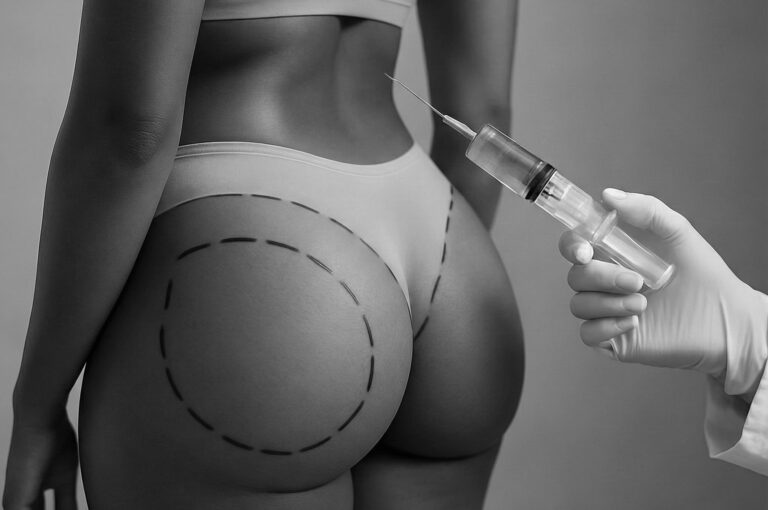
- Liposuction: For more significant fat deposits, liposuction provides an immediate and permanent removal of fat cells. This procedure involves a tiny incision and a cannula to suction out the stubborn tissue, resulting in a dramatic change when viewing FUPA removal before and after results.
- Tummy tuck (Abdominoplasty): If the bulge comes from both extra fat and loose skin, which is common after pregnancy, a tummy tuck may be needed. This surgery tightens the stomach muscles and removes loose skin for a smoother look.
How long does it take to see results?
When investigating how to get rid of FUPA, patience is key. If you are following a fitness regime, it may take 3 to 6 months of consistent effort to notice a change in your lower abdominal contours.
For aesthetic treatments like fat freezing, results typically peak at the 12-week mark. Surgical options like liposuction offer immediate volume reduction, though final results are only visible once post-operative swelling has fully subsided.
Maintaining your results
Once you have a flatter shape, it’s important to keep your results. Fat cells removed by treatments won’t return, but the ones left can still get bigger if you gain weight. Keeping a healthy lifestyle and doing regular core exercises will help your results last.
Why choose Vivari Aesthetics?
At Vivari Aesthetics, we know that stubborn fat can be uncomfortable. We offer a caring and professional setting, and we customize our treatments for your body. Our aim is to help you feel your best by creating a balanced, natural look. Book your appointment today.