What Is Bariatric Surgery? Benefits and Treatment
Your health is an investment, not an expense. Though it will take time, dedication, and sacrifice, the return on your life is completely priceless.
For many people living with obesity, losing weight is about far more than appearance. Excess weight can affect mobility, energy levels, confidence, sleep quality and overall health.
While diet, exercise and lifestyle changes remain the foundation of weight management, they may not always deliver lasting results for everyone.
This is where bariatric surgery and modern bariatric treatment options can play a transformative role.
Designed to help individuals achieve sustainable weight loss, these procedures can support better health outcomes and improve quality of life when combined with long-term lifestyle changes.
If you have ever wondered what is bariatric surgery, how it works and whether it could be right for you, this guide covers everything you need to know.
What is bariatric surgery?
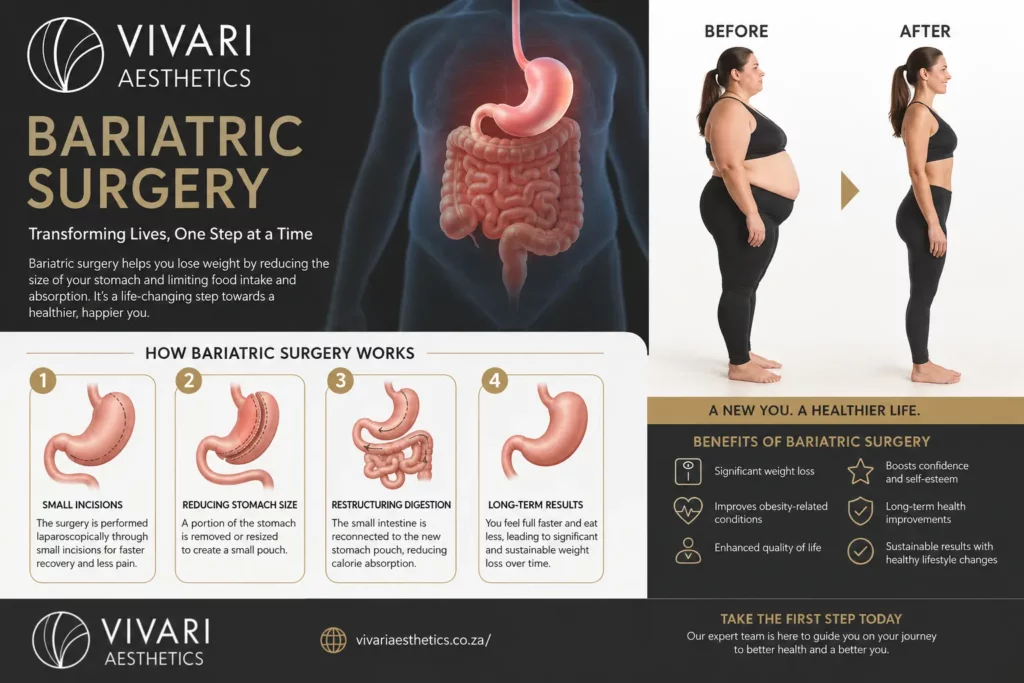
Bariatric surgery are a group of medical procedures to help individuals lose weight by changing the way the digestive system functions. These procedures typically reduce the amount of food the stomach can hold, influence hunger hormones, or alter how the body absorbs calories and nutrients.
Bariatric surgery for obesity is generally recommended for people who have struggled to achieve meaningful weight loss through conventional methods alone and whose weight is affecting their health and wellbeing.
Today, there are both surgical and minimally invasive bariatric treatment options available, allowing patients to choose an approach that best suits their goals, medical needs and lifestyle.
Who may benefit from bariatric weight loss surgery?
Not everyone who wants to lose weight requires bariatric weight loss surgery. However, it may be suitable for individuals who:
- Have obesity that significantly impacts their daily life
- Have weight-related health concerns like high blood pressure, sleep apnoea or type 2 diabetes
- Have attempted weight loss multiple times without long-term success
- Are committed to adopting healthier lifestyle habits after surgery
- Want a medically guided solution for sustainable weight management
A comprehensive assessment with an experienced specialist is essential to determine whether bariatric surgery or another form of bariatric treatment is the most appropriate option.
Types of bariatric treatment available
Modern weight management medicine offers several approaches to help patients achieve their goals.
Endoscopic sleeve gastroplasty (ESG)
One of the most innovative non-surgical bariatric treatment options available today is Endoscopic Sleeve Gastroplasty (ESG).
During this minimally invasive procedure, specialised sutures are used to reduce the size of the stomach from the inside without external incisions. By limiting stomach capacity, patients tend to feel fuller sooner and consume smaller portions.
Potential benefits of endoscopic sleeve gastroplasty (ESG) include the following:
- Absence of surgical incisions
- Shortened recovery period
- Lower risk profile compared to more invasive surgical procedures
- Potential for significant weight loss
- Preservation of normal gastrointestinal function
Endoscopic sleeve gastroplasty may serve as an effective alternative to traditional bariatric surgery for eligible patients.
Traditional bariatric surgery
Several surgical procedures fall under the umbrella of bariatric surgery, including:
- Gastric bypass surgery
- Sleeve gastrectomy
- Adjustable gastric band procedures
Each procedure works differently and carries its own benefits and considerations. A specialist surgeon will recommend the most appropriate treatment based on individual health requirements and weight loss goals.
Benefits of bariatric surgery for obesity
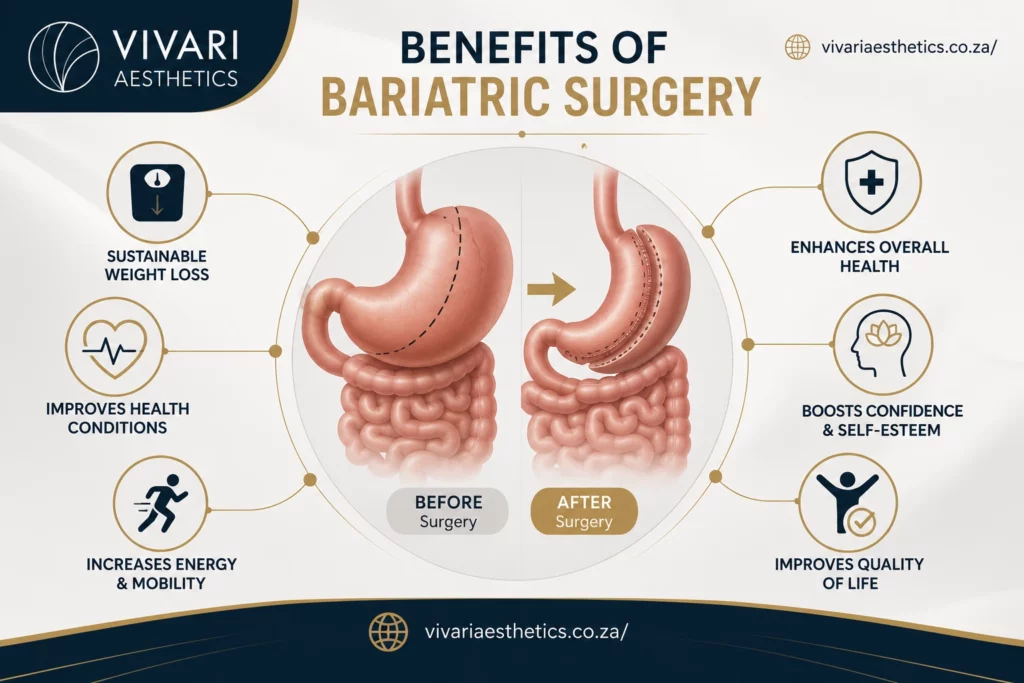
The benefits of bariatric surgery for obesity often extend well beyond weight loss alone. Many patients experience improvements across multiple aspects of their health and wellbeing.
Potential benefits include:
Significant and sustainable weight loss
One of the primary advantages of bariatric weight loss surgery is its ability to help patients achieve substantial weight reduction when lifestyle changes alone have not been effective.
Improved overall health
Weight loss can positively influence many obesity-related conditions, helping patients feel healthier and more active.
Enhanced mobility and physical comfort
Reducing excess weight often decreases strain on joints and muscles, making everyday activities easier and more enjoyable.
Better confidence and emotional wellbeing
Many individuals report increased self-esteem, improved body image and greater confidence after achieving their weight loss goals.
Long-term lifestyle transformation
Successful outcomes often encourage patients to adopt healthier eating habits, regular exercise routines and positive lifestyle changes that support ongoing wellbeing.
Is bariatric surgery safe?
One of the most common questions patients ask is, “Is bariatric surgery safe?”
Like any medical procedure, bariatric surgery carries some degree of risk. However, advancements in surgical techniques, technology and patient care have significantly improved safety outcomes over the years.
The safety of bariatric surgery depends on several factors, including:
- The patient’s overall health
- The type of procedure performed
- The experience of the surgical team
- Adherence to pre- and post-treatment recommendations
For appropriately selected patients, bariatric surgery is considered a safe and effective treatment option when performed by qualified specialists in an accredited medical facility.
Minimally invasive procedures such as ESG may offer an additional option for patients seeking a less invasive approach while still benefiting from meaningful weight loss support.
What to expect during your bariatric treatment journey
Every patient’s experience is unique, but the journey typically includes several key stages.
Comprehensive consultation
Your specialist will assess your medical history, current health, weight loss goals and treatment suitability.
Personalised treatment planning
A customised plan will be created based on your needs, whether that involves bariatric surgery, ESG or another form of bariatric treatment.
Procedure and recovery
The procedure is performed in a controlled clinical environment, followed by structured recovery and monitoring.
Ongoing support
Long-term success depends on continued guidance, nutritional support and lifestyle modifications. Regular follow-up appointments help patients stay on track and maximise their results.
Why professional support matters for bariatric weight loss surgery
Successful weight management is rarely achieved through a procedure alone. The most effective outcomes occur when medical expertise, personalised care and comprehensive aftercare work together.
From pre-treatment assessments to recovery and long-term support, choosing an experienced team can make a significant difference to both safety and results.
Whether you are exploring bariatric surgery for obesity or considering a minimally invasive option such as ESG, receiving care within a dedicated medical environment helps ensure a smoother and more confident treatment journey.
Bariatric surgery with luxury recovery and expert care at Vivari Aesthetics
At Vivari Aesthetics, patients benefit from a unique combination of advanced medical expertise, modern bariatric treatment solutions and exceptional recovery support.
Founded by Dr. Anushka Reddy, the facility combines an accredited day hospital with luxury post-procedure accommodation, allowing patients to recover in comfort while receiving attentive medical care.
With transparent treatment planning, advanced recovery therapies and a patient-centred approach, Vivari Aesthetics is committed to helping individuals achieve their health and weight loss goals with confidence.